For health businesses and founders ready to put their product in their patients' hands — and keep it there.
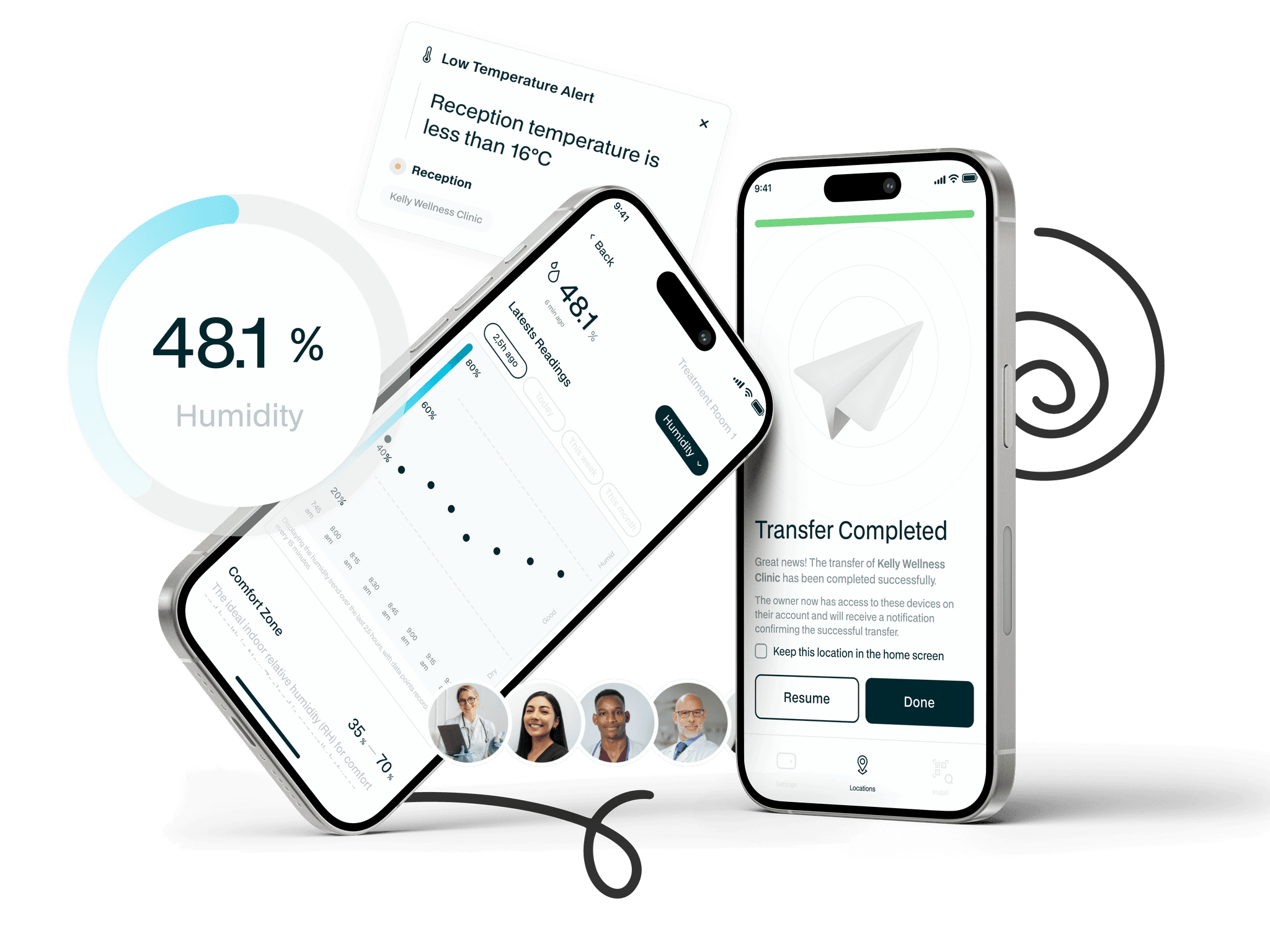
The average app loses the majority of its users within the first three days. Not because the idea was wrong — but because the experience wasn't strong enough to make returning feel worth it.
In health, the stakes are higher. Patients need to trust the product before they'll use it consistently. That trust is built through every interaction — how the app feels on first open, how easy it is to complete a task, how natural it becomes over time.
A well-designed health app earns that trust. It meets patients where they are, makes every interaction feel effortless, and builds the kind of habit that brings them back — without needing to push them.
Mobile is a different context than desktop — smaller screen, shorter attention span, often in motion. A health app has to account for all of that from the very start, and for the specific moment a patient opens it: after a session, during a symptom, before an appointment.
The process begins with understanding exactly that context. Every screen is then built to make the experience as frictionless — and as trustworthy — as possible.
01
User & Context Research
Understanding who will use the app, when they'll use it, and what they need to accomplish.
The health context — the habits, the emotions, the constraints — shapes every design decision that follows.
02
UX Architecture
Mapping the key flows before building screens.
What are the core actions? How do users move through the app? Where can the experience break down — and how do we prevent that?
03
UI Design & Handoff
Building the visual interface: clean, on-brand, and optimised for mobile interaction patterns.
Designed to feel native and intuitive from the very first use. Delivered with full specs and assets ready for your development team — or built through to a functional product using AI-assisted development tools.